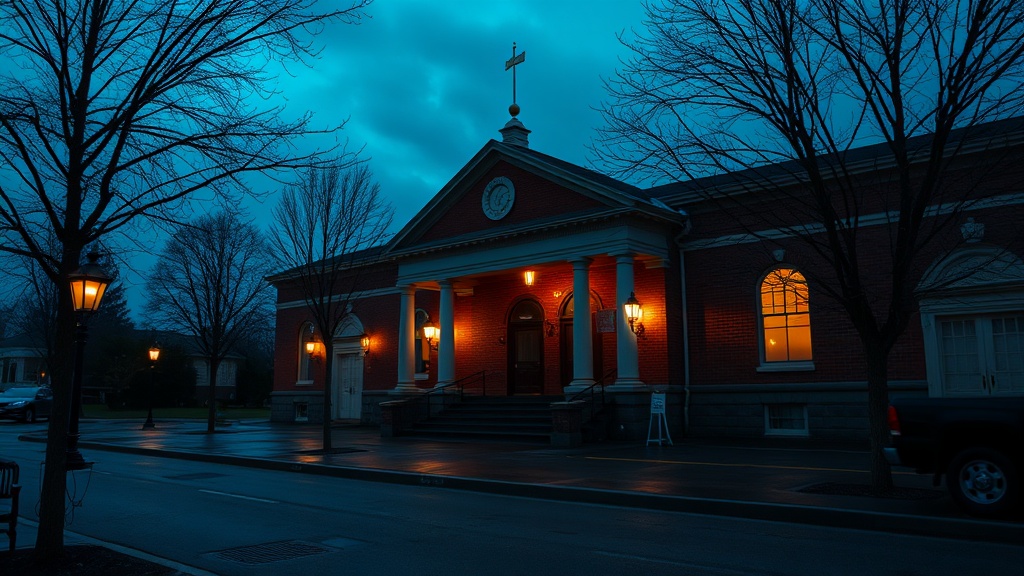
What Really Happens at Amherstburg Town Hall?

People often think that the decisions affecting our streets, our parks, and our property taxes happen behind closed doors or only during heated debates on the news. They assume that local government is just a bunch of names on a website that you only interact with when a pothole appears on Talbot Street. In reality, the machinery of the Amherstburg municipal government is much more accessible—and much more granular—than most of us realize. Understanding how our town actually functions is the first step to actually having an impact on where we live.
Whether it's a zoning change near the historic waterfront or a new construction project in the North Amherstburg area, these things aren't just random occurrences. They are the results of specific processes that we can actually participate in if we know where to look. We aren't just passive observers in Amherstburg; we're the stakeholders.
Where can I find local meeting minutes?
If you've ever wondered why a specific stop sign was added or why a certain park-related project was delayed, the answer is usually buried in the official record. The Amherstburg Town Council doesn't just make decisions; they have to document every single motion. You can find the official records and upcoming agendas on the official Amherstburg website. This is where the real work happens—the stuff that happens between the big announcements.
When we talk about the budget or a new development near Riverside Drive, it's important to read the actual minutes rather than relying on a neighbor's summary. The details matter. For instance, if there is a discussion about water infrastructure or road maintenance on a specific street in our community, the minutes will tell you exactly what the projected costs are and what the timeline looks like. It's much better to be informed than to be surprised by a construction detour a week later.
How do I participate in a public meeting?
Most people believe that attending a meeting means standing up in a crowded room and giving a speech. While that's one way to do it, there are plenty of ways to voice your opinion about Amherstburg's future without the pressure of a public microphone. Many discussions start with public notices. If you live in a specific neighborhood, like the ones near the Hendrie Street area, you'll often see notices regarding zoning or development. These are your opening bells.
You can submit written correspondence to the town clerk or attend a council meeting to observe. Observation is a powerful tool. By watching how the council handles topics like the local recreational facilities or the revitalization of our downtown core, you get a sense of the priorities for our community. It’s not just about the big stuff; it’s about the small, incremental changes that shape the character of Amherstburg every single year.
Why does local zoning matter to my property?
This is a common question at community gatherings. A zoning change might seem like a technicality, but it affects everything from your property value to the traffic patterns on your street. If a new commercial development is proposed near the Amherstburg waterfront, it affects more than just the immediate lot. It affects the traffic, the noise, and the overall vibe of our town. We should all be paying attention to the planning department's notices.
For example, if there's a proposal for a multi-unit dwelling in a historically residential area, the town provides a window for residents to voice concerns or support. This is where you can be a true local advocate. It's not about being against change; it's about ensuring that change happens in a way that respects the existing fabric of our Amherstburg neighborhoods. You can even look up specific property-related laws through the Ontario government portal to understand how provincial laws impact our local municipal decisions.
What are the most common ways to impact local decisions?
There are several ways to stay active in the civic life of our town. It doesn't require a political degree or a massive amount of time. Here are a few ways we can stay involved:
- Attend Council Meetings: Even if you just watch via the livestream or read the summary, staying informed is the baseline.
- Write to your Ward Representative: If you live in a specific ward in Amherstburg, your representative is your direct line to the council.
- Join a Committee: Many of our local boards and committees are looking for community members with different perspectives.
- Public Consultations: When the town asks for input on things like the new park layouts or street improvements, actually take the time to fill out the survey.
The more we participate, the more the decisions made at the town hall will actually reflect the needs and desires of the people living here. Our community is shaped by the people who show up, not just the people who complain on social media. Let's make sure we're the ones driving the conversation in Amherstburg.